

5 kg of picric acid found in an abandoned factory: it is more dangerous than TNT
The hazardous material was removed and neutralized under the coordination of CoGePir, the Pyrotechnic Management Consortium.
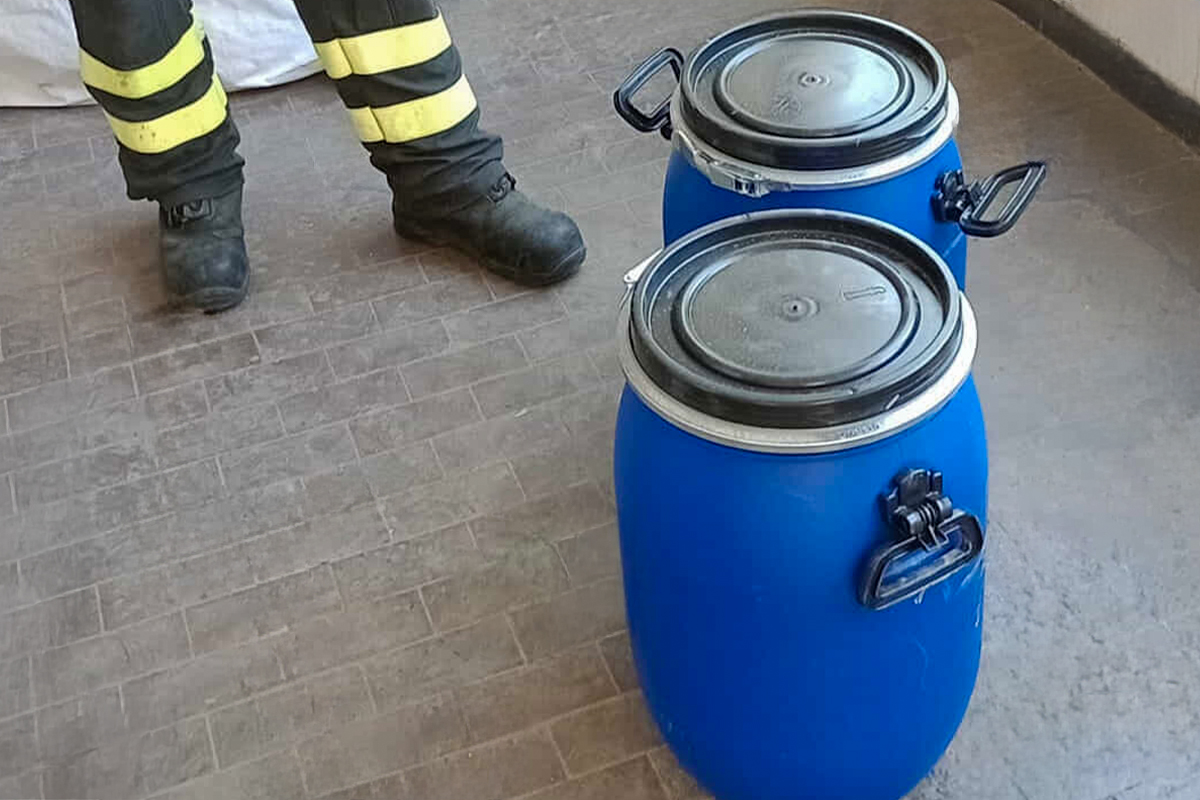
Experts have no doubt: a “potentially catastrophic” explosion risk was averted. This follows the discovery of about 5 kg of picric acid in an abandoned laboratory on Via Francesco Nullo in Brescia, as part of the remediation and securing operations of the former Caffaro site. It was found in a state of maximum danger—dry, dehydrated, and crystallized. Under these conditions, picric acid becomes an extremely unstable explosive, with a destructive potential comparable to several kilograms of TNT and an estimated shock wave speed of 7.3 km/s, higher than that of TNT itself. A minimal vibration or temperature variation could have triggered a devastating detonation.
Recovery and controlled detonation
The recovery and management of the material were entrusted to CoGePir (Consorzio Gestione Pirotecnici), a national management system recognized by the Ministry of Environment, to which membership is required by law for manufacturers and importers of pyrotechnic items. “From the photos sent to me by Acr Reggiani, the company handling the remediation—explains Piervittorio Trebucchi, General Director of CoGePir—I immediately realized we were facing a ticking time bomb. I requested to halt the site work instantly, clear out all personnel, and alert bomb disposal units and firefighters. Given the hot temperatures of recent days, the risk of a spontaneous explosion was extremely high.”
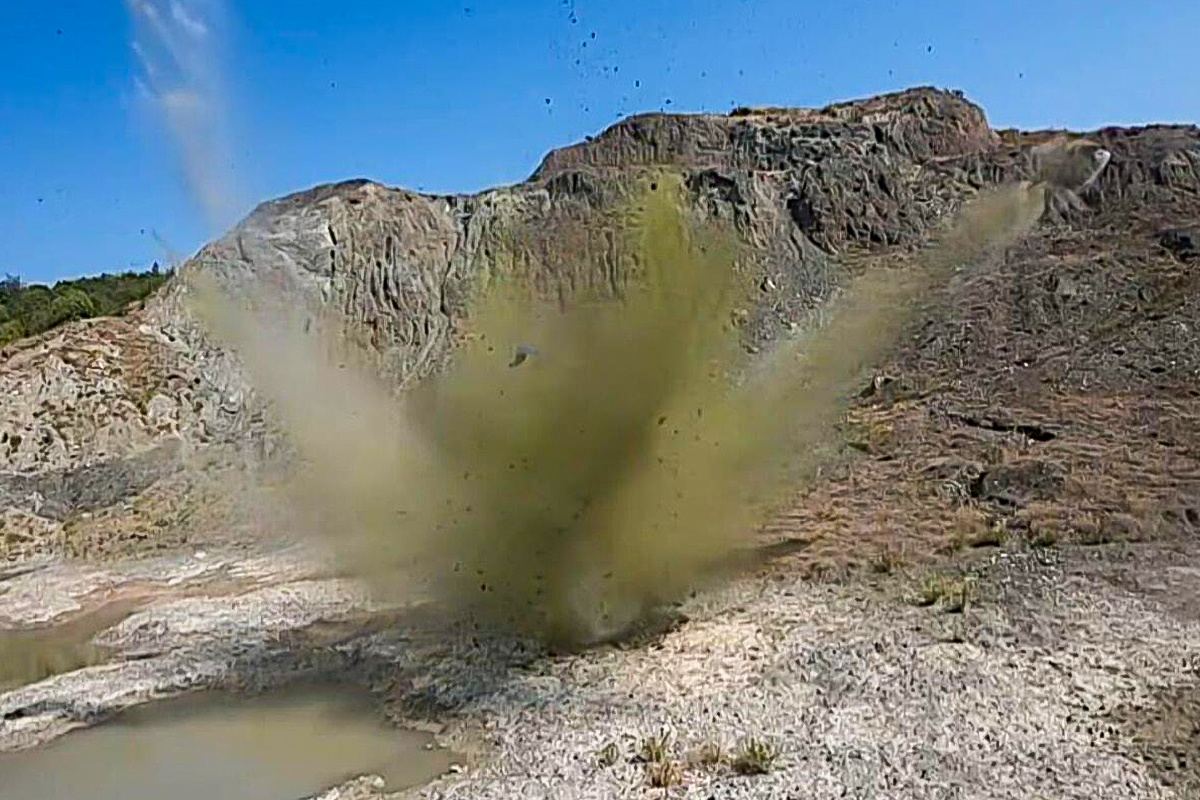
Law enforcement and the Fire Brigade responded on-site, notifying the Prefecture of Brescia, which initially considered evacuating a 1.5-kilometer radius area. The company Torpex S.p.A., the operational arm of CoGePir, was activated for the removal and neutralized then extracted the explosive. It was subsequently transported by Cigala Trasporti—a historic company specialized in explosives transport—to a specially cleared quarry for controlled detonation.
The importance of prevention
The incident in Brescia is an emblematic example of successful synergy, but also a symptom of a national issue regarding the management of explosive materials. News over the past week has unfortunately been a trail of blood, with deaths and serious injuries in Casalbordino (Chieti) and in the province of Rieti, where an explosion at a pyrotechnic factory caused two fatalities. In Genoa last May, an entire school was evacuated following the discovery of picric acid in a laboratory. In 2025, CoGePir collected and safely managed over 51 tons of pyrotechnic waste; in the first months of 2026, it has already processed more than 40 tons. “This demonstrates the effectiveness of the system—concludes Piervittorio Trebucchi—but it represents only the tip of the iceberg. Illegal disposal is a threat that can only be defeated with a firm stance by the State.”
Source: BRESCIA TODAY
Brescia: picric acid at Caffaro site, explosion risk https://www.bresciatoday.it/cronaca/acido-picrico-caffaro.html © BresciaToday


